Populations at increased risk
People with HIV (PWH) are at higher risk of developing serious flu-related complications, especially those who have a very low CD4 cell count (very suppressed immune system) or who are not taking medicine to treat HIV (called antiretroviral therapy, or ART). During 2022, 83% of persons with diagnosed HIV in the United States were prescribed ART; and about 67% had a suppressed HIV viral load at their last test (indicating that they were consistently on effective treatment). Studies have indicated that flu symptoms might be prolonged and the risk of flu-related complications and prolonged influenza virus shedding is higher for PWH who have a weakened immune system.
Because they are at higher risk of serious flu-related complications, it is especially important that PWH get a flu shot annually. All PWH should be encouraged to start and remain on ART to help them live long healthy lives; this will also decrease their risk of severe respiratory infections. PWH who are not receiving ART might not have as strong an immune response to vaccination as those who are receiving ART. PWH who get flu symptoms, especially those with low CD4 cell counts not receiving ART, should be treated with flu antiviral drugs right away.
Prevention
A flu shot is the best protection against flu
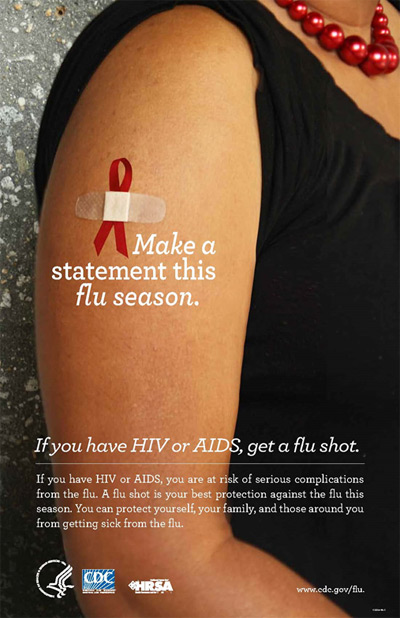
If you have HIV, you are at higher risk of developing serious flu-related complications, in addition to taking ART, the best way to prevent flu is by getting a flu shot.
- Several randomized studies in adults with HIV have shown that flu vaccination can reduce the risk of flu illness. Studies in the United States have shown that flu vaccination prevents illness and reduces the need for doctor’s visits among PWH and other conditions resulting in immune suppression.
- PWH should get a flu shot (not the nasal spray flu vaccine) every year. Injectable flu vaccines (or flu shots) are recommended for use in PWH and other health conditions.
- Live Attenuated Influenza Vaccine [LAIV] (nasal spray) vaccine should not be used in people with HIV. LAIV (FluMist®) contains a weakened form of the live influenza virus and is not recommended for use in people with weakened immune systems (immunosuppression).
Note: While PWH may still mount an immune response to flu vaccination, people with advanced HIV disease may not respond as well. Doctors may consider using influenza antiviral drugs for prevention in some cases.
Pneumococcal vaccination is also important
- Pneumococcal pneumonia is an example of a serious flu-related complication that can cause death.
- PWH should also be up to date with pneumococcal vaccination to protect against pneumococcal disease, such as pneumonia, meningitis, and bloodstream infections.
- You can get either Pneumococcal conjugate vaccine or Pneumococcal polysaccharide vaccine (but not both) when you get a flu vaccine.
- Talk to your health care provider to find out which pneumococcal vaccines are recommended for you.
Other preventive actions for people with HIV
In addition to taking ART and getting a flu shot every year, people living with HIV should take the same everyday preventive actions CDC recommends of everyone, including avoiding people who are sick, covering coughs, and washing hands often. This also can include taking steps for cleaner air and cleaning and disinfecting surfaces and objects that may be contaminated with viruses.
Treatment
If you have HIV and get sick with flu symptoms, call your doctor right away. CDC recommends prompt flu antiviral treatment (ideally within 2 days of developing symptoms) for people with HIV who have flu or suspected flu.
WATCH THE FULL VIDEO
Video is ready to play. If one link doesn't work, try another available link below 👇