Week 35
Baby: Your baby’s lungs are almost fully developed. It’s still building fat deposits beneath its skin to keep warm after it leaves your womb. Your child weighs about as much as a 5-pound bag of potatoes. They won’t get much longer, but they will gain weight — about 0.5 pounds a week. They’re practicing breathing movements, too.
Mom-to-be: Your uterus is about 6 inches above your navel. By now, you’ve probably gained 24-29 pounds. Your doctor will test you for Group B streptococcus bacteria between now and 37 weeks.
Tip of the Week: Are you ready for the baby? Be sure you’ve collected the necessary baby clothes, equipment — especially a car seat — and furniture to get you through the first few weeks, at least, after your baby is born.
Week 36
Baby: Your baby measures about 20.7 inches from head to toe and weighs about 6 pounds. The baby may drop lower in your abdomen, usually assuming the head-down position to prepare for birth. The brain has been developing rapidly, and your baby is practicing blinking. Your baby is developing sleep patterns, and their fingernails have reached the end of the fingers. Your child’s skin is pink, and their legs are starting to look chubby.
Tip of the Week: Start stocking your freezer with foods that can be easily popped into the oven or microwave after you bring your baby home. Chili, casseroles, and other simple dishes can be prepared and frozen ahead of time for use later.
Week 37
Baby: Your baby is about 21 inches from head to toe and weighs almost 6.5 pounds. The baby is getting rounder every day, and skin is getting pinker and losing its wrinkly appearance. Your baby’s head is usually positioned down into the pelvis by now. With blood pumping throughout, babies’ circulatory systems are complete. Babies’ bones and muscles are ready for the outside world. It’s harder to move, but your babies keep kicking.
Tip of the Week: Just in case you deliver early, consider packing two bags for the hospital. Pack one bag for you, with warm socks, a robe, lip balm, and everything you’ll want during labor. Pack the other bag with the items you’ll want for your newborn.
Week 38
Baby: Most of your baby’s downy hair, lanugo, and whitish coating, vernix, are disappearing. Your baby is getting its antibodies from you to protect against illness. The baby’s growth is slowing, but fat cells under skin get plumper for life outside the womb. Your baby is almost ready for birth.
Tip of the Week: You may want to consider whether you’ll circumcise your baby if it’s a boy. Circumcision isn’t as much a medical issue as a cultural or religious one.
Week 39
Baby: Your baby’s arm and leg muscles are strong, and toenails and fingernails are in place. Lungs reach full maturity — ready to breathe and cry. The baby’s head has dropped into the mother’s pelvis — a head-down position lets you breathe a little easier. Baby’s movements may feel different now that there’s less room to move.
Tip of the Week: Watch for signs of labor, but don’t get too obsessed. It could happen soon or still be a week away. Some differences between false labor and contractions: False labor pains usually concentrate in the lower abdomen and groin, while true labor pains may start in the lower back and may spread through the entire abdomen. Real labor also becomes stronger and more powerful as time passes and will not go away with eating, drinking water, or lying down..
Week 40
Baby: Boys often tend to weigh a little more than girls. More lanugo falls out, but some may remain at birth on the baby’s shoulders, folds of skin, and backs of ears. Your baby is ready to eat, cry, breathe, and kick — and meet you! Babies of both sexes may have little breast buds, which will shrink over time. If your baby is a boy, their testes have fully descended into their scrotum. Your baby is as hefty as a small watermelon: 7.25 pounds.
Tip of the Week:If you think you’re in labor, each small amounts at a time. Be aware that sometimes, even something light in your stomach can cause nausea.
What’s Happening Inside You?
Your baby continues to grow and mature. The lungs are nearly fully developed. Your baby’s reflexes are coordinated so they can blink, close the eyes, turn the head, grasp firmly, and respond to sounds, light, and touch.
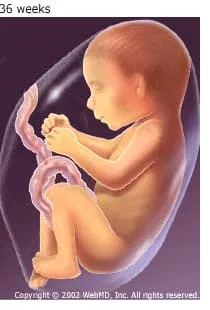
You should still feel movement every day. Your baby’s position changes to prepare itself for labor and delivery. The baby drops down in your pelvis, and usually their head is facing down toward the birth canal.
WATCH THE FULL VIDEO
Video is ready to play. If one link doesn't work, try another available link below 👇

